
Rubén, Rubén, Rubén.
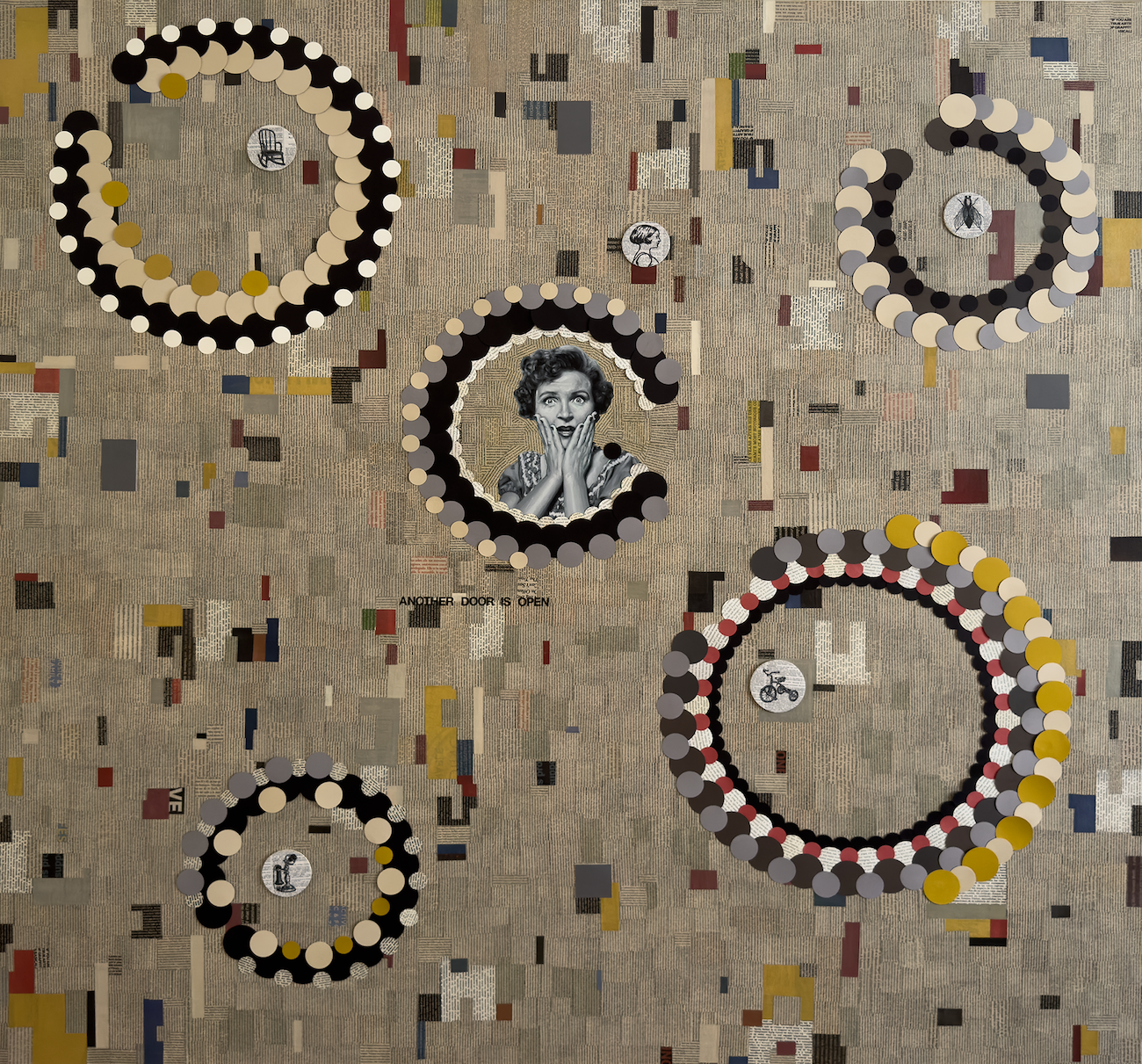
Rubén Torres Llorca once spent three months in a Buddhist monastery, taking a vow of silence. He later described the experience as "incredibly difficult for a Cuban."
It's a revealing story. Llorca is, above all else, a thinker, but he's also a consummate observer of human nature. Philosophy, psychology, literature, politics, religion, and culture all find their way into the work, filtered through a sharp wit and a healthy skepticism toward authority, convention, and received wisdom.

It's been well documented that Rubén Torres Llorca pulls no punches. He refuses to play "the game." Well, that's not entirely true. He will play, but by his rules, on his court, and with his ball. As the song goes, si te gusta bien, y si no, también. If you like it, fine. If not, that's fine too.
There is little compromise in either the work or the man. Nothing is off limits, no sacred cow is spared, and no prevailing wisdom escapes scrutiny. Whether examining power, belief, the absurdities of contemporary life, or one of his favorite topics, the complexities of male and female communication styles, Llorca approaches his subjects with equal parts intelligence, humor, and curiosity.

What distinguishes his work is not simply the strength of the ideas, but the depth behind them. In an era when conceptual art is often reduced to slogans or gestures, Llorca remains committed to depth of thought. The work resists easy answers and rewards careful looking.
A master of his craft and one of the most important Cuban artists of his generation, Llorca remains, in my view, significantly undervalued. I am not alone in that assessment. Collector Jorge Pérez has cited both José Bedia and Rubén Torres Llorca among the Cuban artists he believes are most undervalued today.
More than anything, Llorca asks us to think. The work doesn't dictate conclusions. Instead, he leaves breadcrumbs, inviting viewers into a conversation, one that is often challenging, occasionally uncomfortable, and invariably rewarding.
“His {Jorge Perez of the Perez Art Museum in Miami} Latin American favorites include...Cubans José Bedia and Rubén Torres Llorca, both of whom he believes are severely undervalued today.”
— THE MIAMI HERALD
Written by Stacy Conde
June 1, 2026