
Personal Cosmology | The Art of Andrés Conde
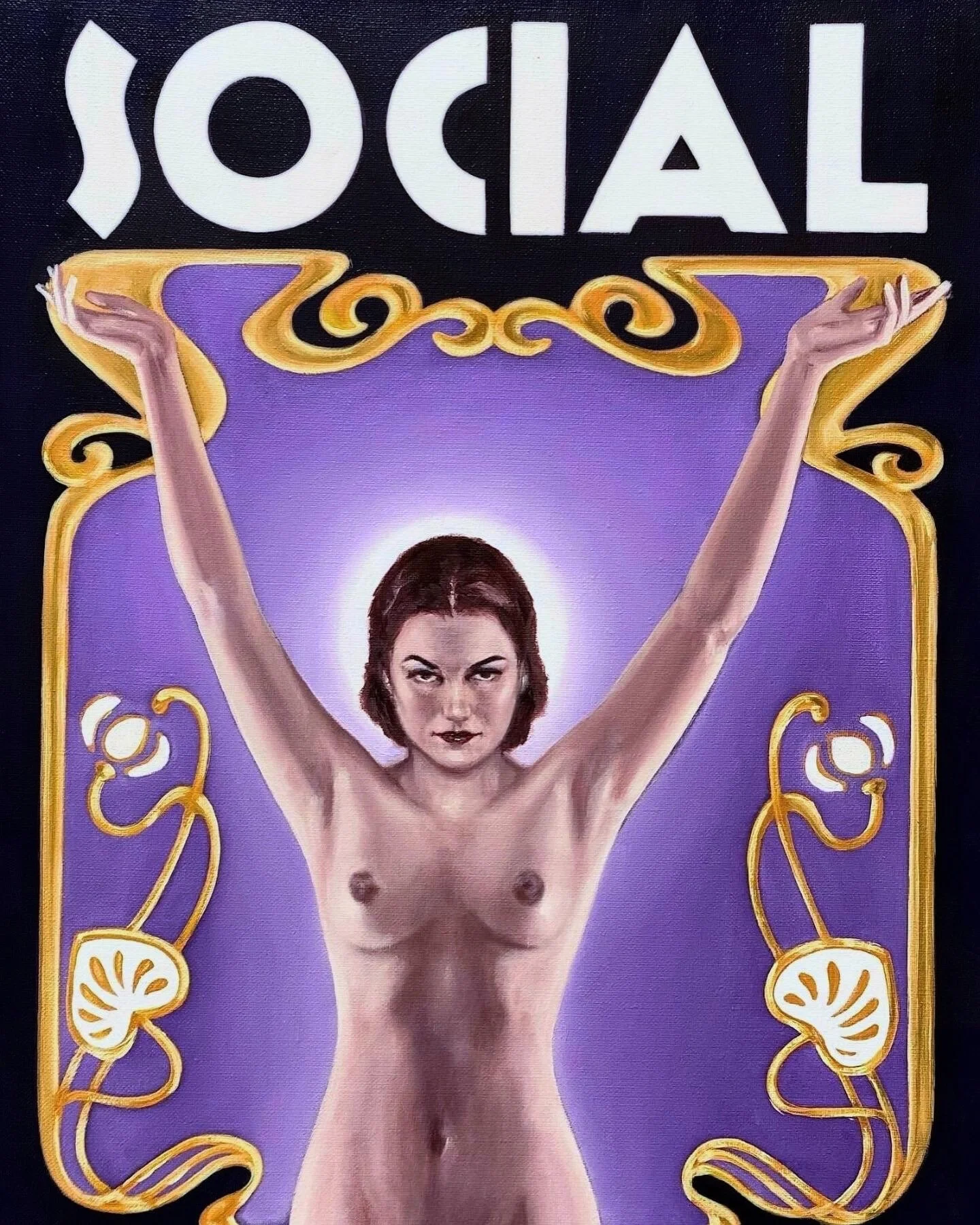
Artists often spend their careers refining a technique, a subject matter, or a point of view. Over time, Andrés Conde has done something different. He has constructed a world.
Born in Havana in 1968, Conde's life was irrevocably shaped by the Cuban Revolution and its aftermath. Like many Cuban families, his endured political repression, economic hardship, displacement, and exile. The journey that would eventually take him through Madrid, New York, Miami, Chicago, and ultimately Natchez did not begin as an adventure. It began as necessity.
This history lies beneath the surface of much of the work.
To view Conde's paintings solely through the lens of nostalgia is to miss something essential. While his work frequently draws upon the architecture, glamour, and visual culture of pre-revolutionary Cuba, these images are not simply romantic recollections of a vanished world. They are reminders.
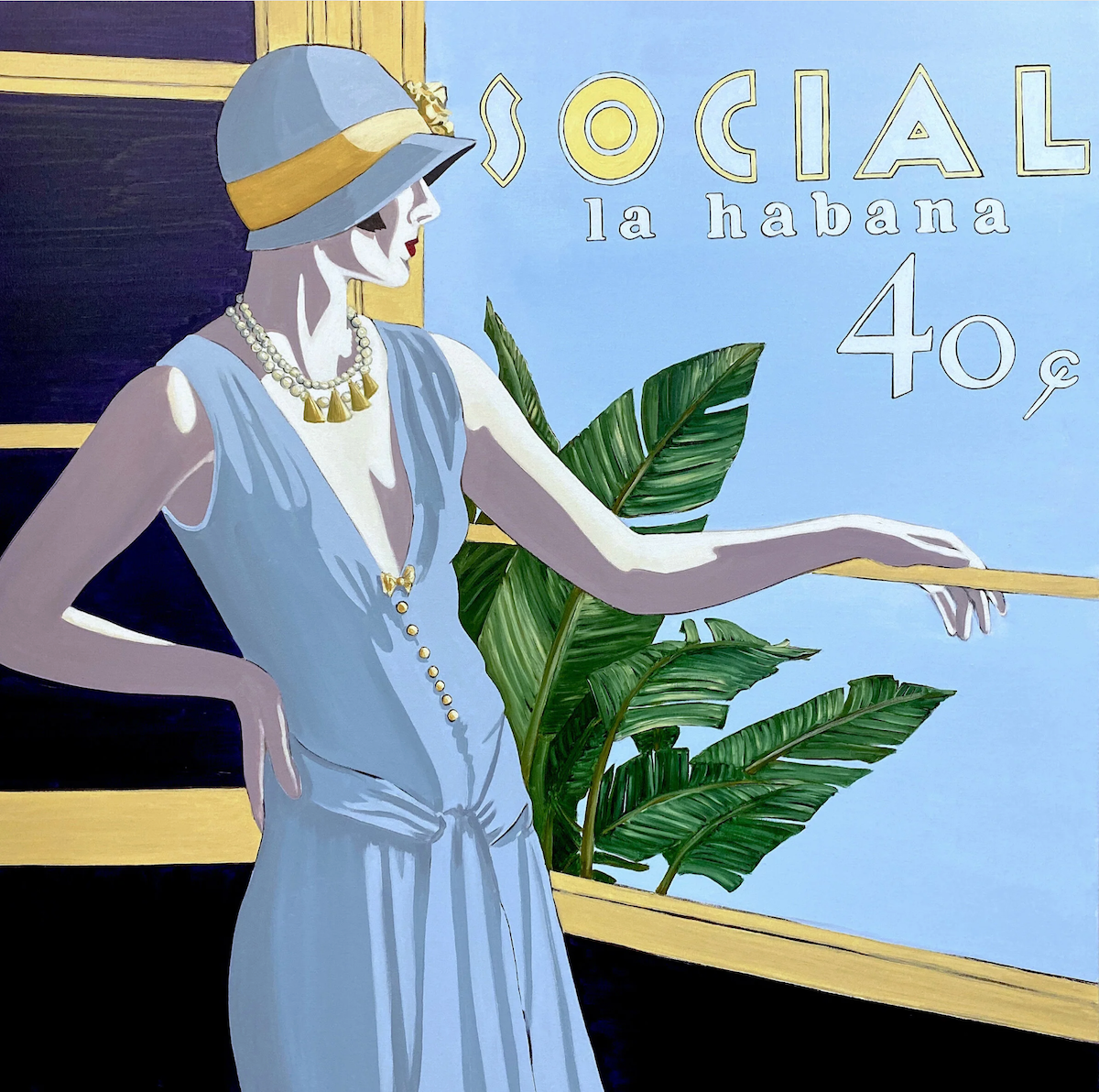
Conde's ongoing SOCIAL series offers perhaps the clearest example. Inspired by Cuba's legendary SOCIAL magazine, which was published from 1916 to 1938, the artist has undertaken the ambitious task of creating 240 new covers, symbolically reopening the publication in 1939 and closing it in 1959, the year of the Cuban Revolution.
At first glance, the paintings appear celebratory. Beautiful women, vibrant colors, and echoes of a sophisticated Havana fill the compositions. Yet beneath their elegance lies a political statement.
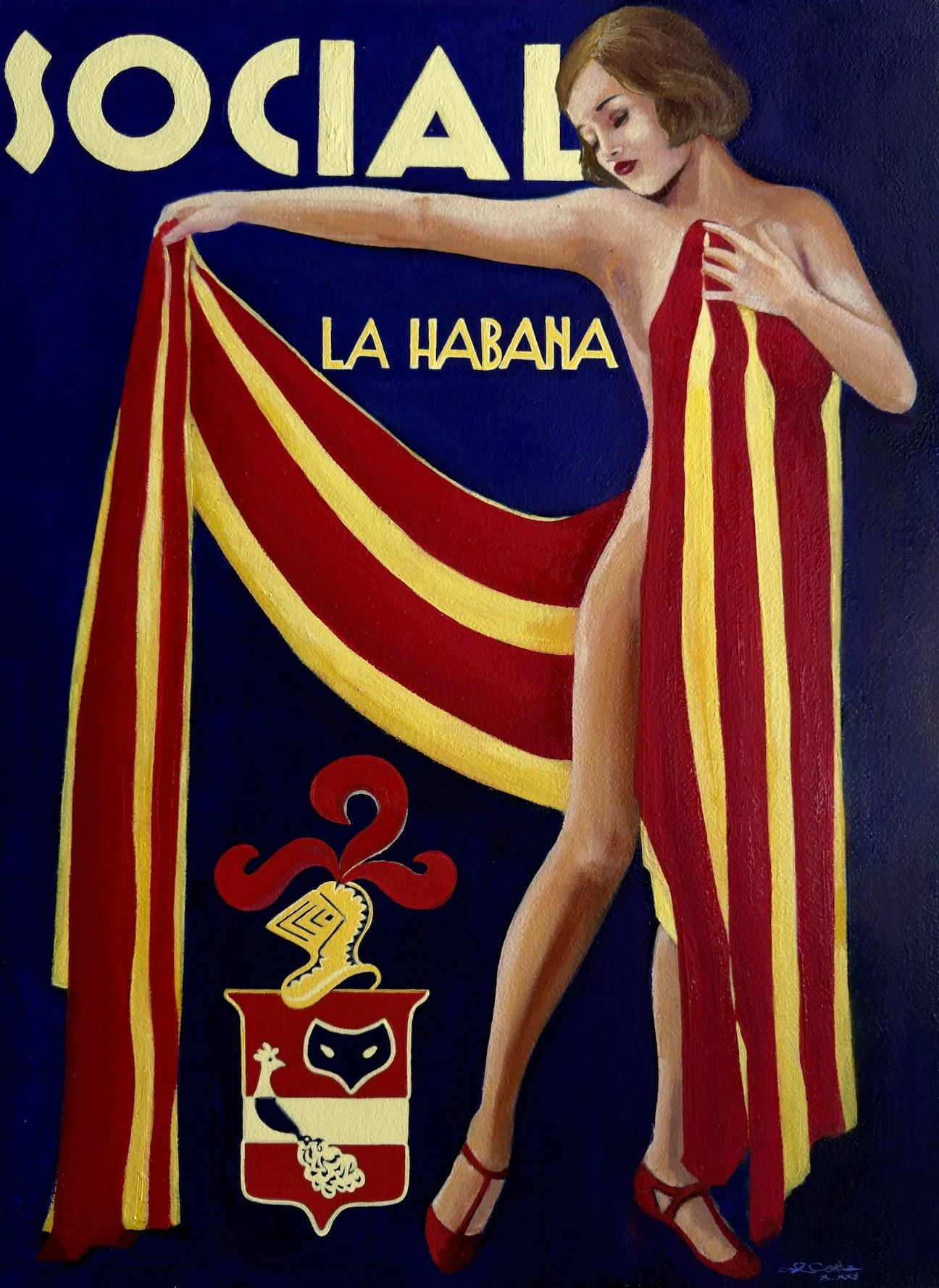
The series serves as a reminder that the Cuba of today is not the Cuba that always was.
For Conde, these paintings are not exercises in nostalgia for nostalgia's sake. They are acts of remembrance. By extending the life of a beloved cultural publication, he reconstructs a visual record of a world interrupted by revolution and its aftermath. The paintings insist upon the reality of a vibrant and cosmopolitan Cuba that existed before ideology, censorship, confiscation, imprisonment, and political violence transformed the country. They point not toward fantasy, but toward history.
This tension between beauty and loss runs throughout the work. Conde's women are often powerful, resilient figures whose direct gaze suggests both strength and experience. They inhabit paintings that are visually seductive while simultaneously carrying emotional and symbolic weight. Beauty becomes not an escape from reality but a means of confronting it.
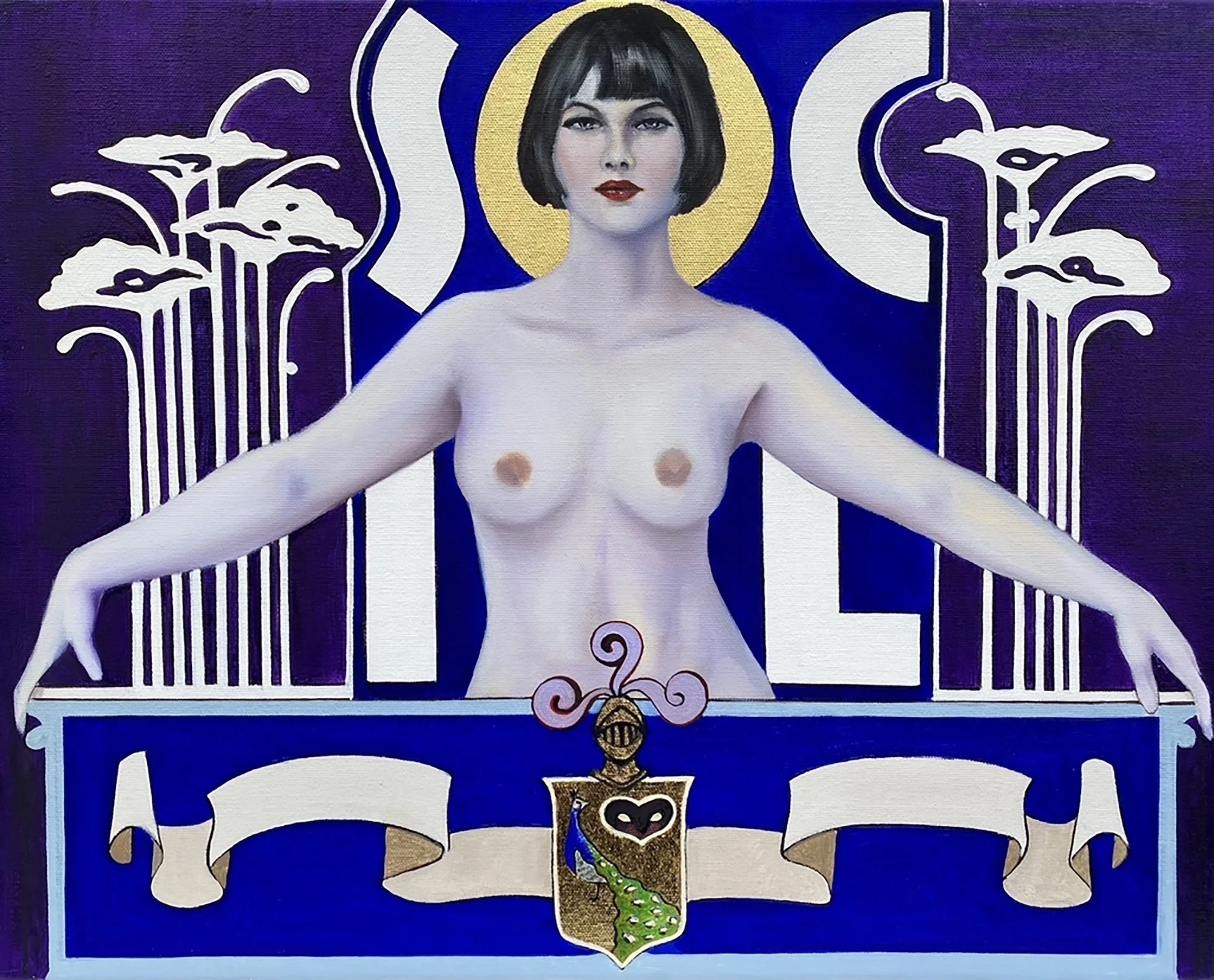
Over decades of painting, Andrés Conde has created more than a recognizable visual language. He has built a personal cosmology populated by the places, people, histories, and ideals that continue to shape his understanding of the world. His paintings draw equally from lived experience, collective memory, illustration, popular culture, and art history. The result is a body of work that is both deeply personal and immediately accessible.
Each painting serves as a fragment of a larger universe—one shaped by exile and belonging, history and imagination, beauty and resilience. Together, they form the visual record of an artist determined not only to remember, but to bear witness.