
The Artist Artist’s Love
Ernesto Capdevila
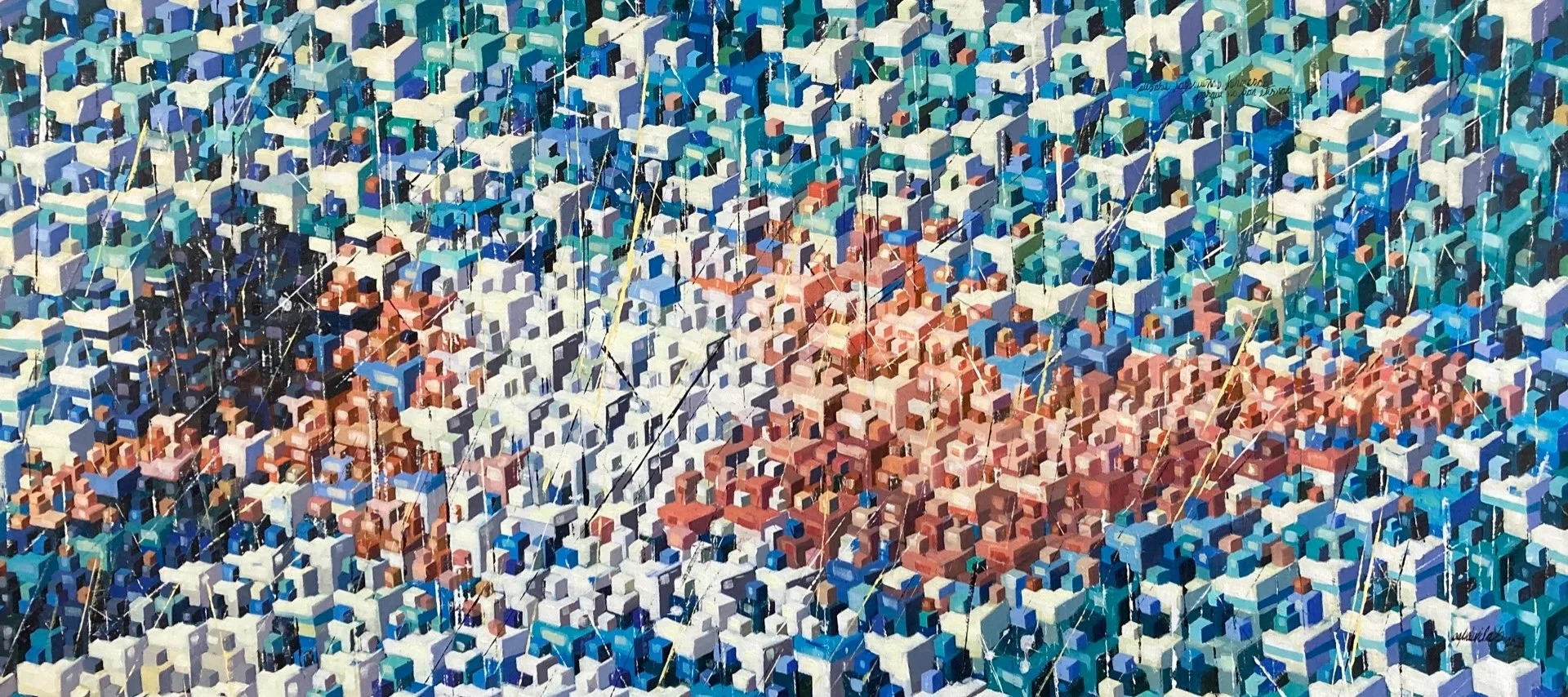
Ernesto Capdevila has been with us since the beginning. Like Rubén Torres Llorca, José Bedia, and Andrés Conde, he is woven into the story of Conde Contemporary itself.
His point of view, technique, and process are deeply respected among his peers. He is, quite simply, an artist other artists love.
That admiration is not born of market success, trends, or fashion. It comes from something far more enduring: Capdevila is relentlessly committed to his own questions. He follows ideas wherever they lead, regardless of medium, audience, or commercial expectation. Painting, drawing, sculpture, installation, writing, philosophy, poetry—each becomes another language through which to explore the same persistent mysteries.
Few artists move as comfortably between the verbal and the visual. Capdevila works with equal fluency on both sides of the mind. His paintings often read like poems. His written statements feel visual. One informs the other, each deepening and expanding the possibilities of meaning.
Again and again, his work returns to questions of perception and reality. In Parallel Universes, the simple geometry of stacked cubes becomes a meditation on existence itself, each box representing an individual life, a universe unto itself, connected to countless others yet forever experienced as a fragment. In Limits and Uncertain Limits, he explores the space between certainty and doubt, the visible and the unseen, the apparent and the tangible.
Capdevila's greatest subject may be consciousness itself.
His work reaches into the hidden corners of the subconscious mind, opening some doors completely, cracking others just enough to reveal what lies behind them, while leaving still others firmly locked. He alludes to buried emotions, unresolved questions, spiritual longings, and the universal search for belonging without ever insisting on a singular interpretation.
The viewer is invited, but never instructed.
That restraint is part of the work's power.
In Distance, Capdevila reflects on separation, and the lifelong search to close the distance between ourselves and others. In The Game, discarded furniture is transformed into fragile sculptural beings seeking redemption, belonging, and a second chance at life. Throughout his practice there exists a recurring belief that objects, memories, experiences, and even people contain hidden possibilities for transformation.
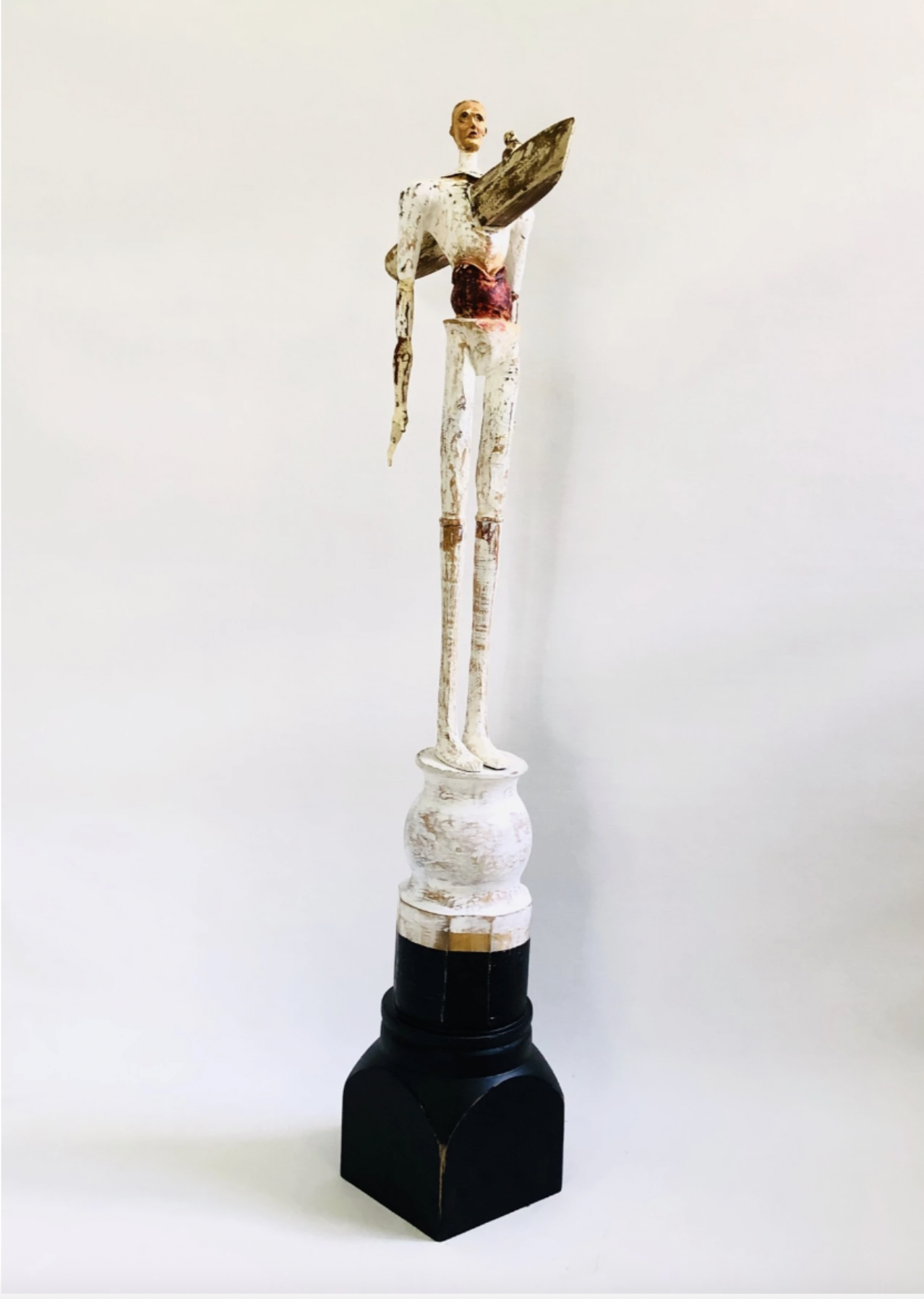
Couple this conceptual depth with extraordinary technical skill across painting, drawing, and sculpture, and the result is a rare kind of artist: one whose point of view remains unchanged regardless of medium.
The work is never about the medium.
The medium serves the idea.
Perhaps that is why artists respond so strongly to him. They recognize the discipline required to follow an idea honestly wherever it leads. They recognize the refusal to simplify complex questions. They recognize the courage required to remain curious in a market that often rewards certainty.
Ernesto Capdevila has spent decades building a body of work concerned not with answers, but with possibilities.
Like all meaningful journeys inward, it offers no map.
Only clues.