
Collect Yourself
Art Collecting, Taste & The Courage to Trust Yourself
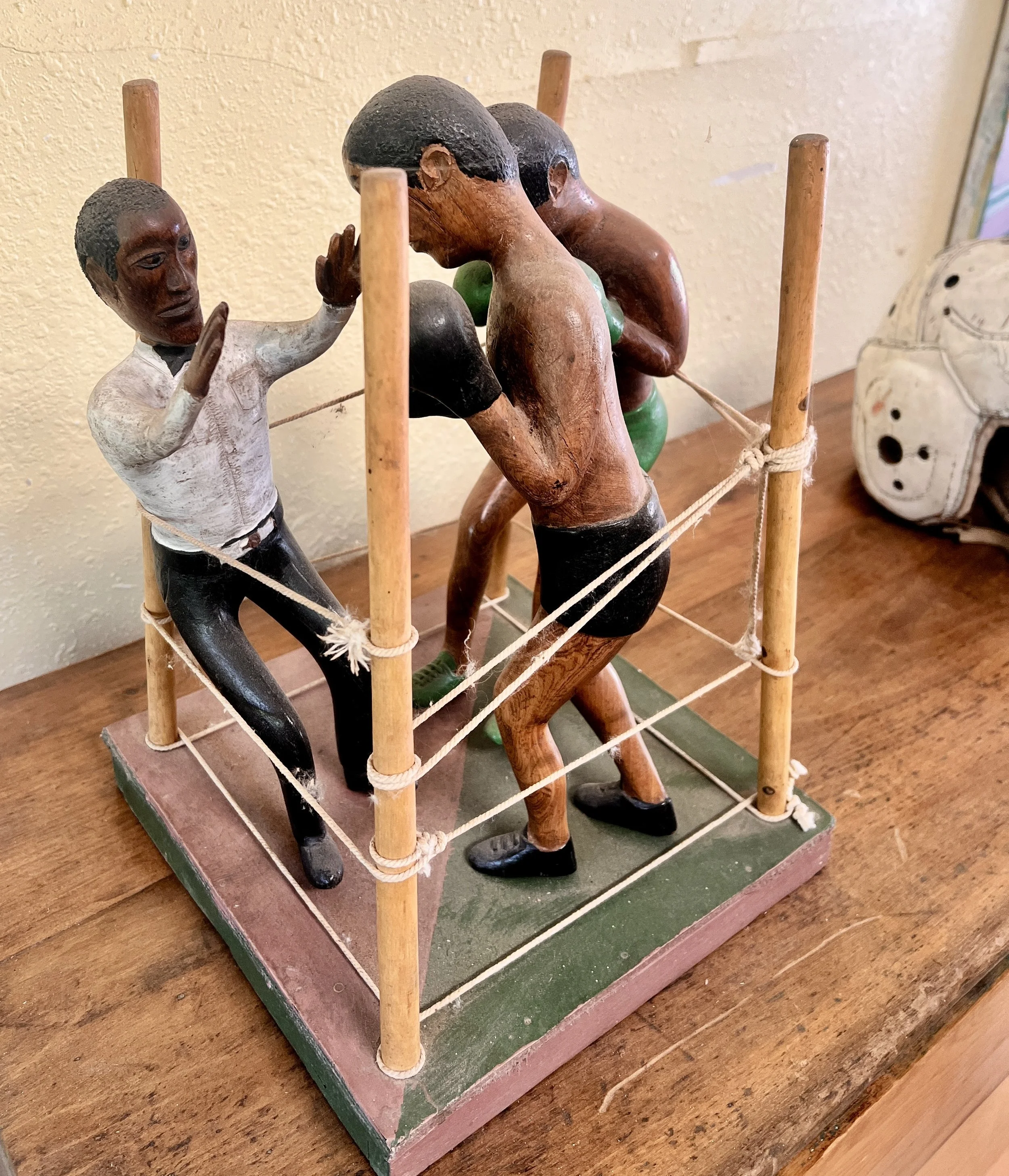
Private Collection
One of the questions I'm asked most often is what makes a great art collection. The answer has very little to do with money.
The most interesting collections I've encountered are not necessarily the largest, the most valuable, or the most academically important. They're the ones that reveal something about the person who assembled them.
You can learn a great deal about someone by looking closely at the artwork they've chosen to live with. What moves them. What fascinates them. What makes them laugh. What makes them uncomfortable. What they find beautiful. The collection becomes a kind of self-portrait.
Of course, not all collectors collect for the same reasons.
Some people buy art the way they buy furniture. They are thinking about atmosphere, architecture, color, and how a room feels. I understand these collectors well. In many ways, they are already thinking like curators. They are intentionally shaping an environment and considering how objects relate to one another.
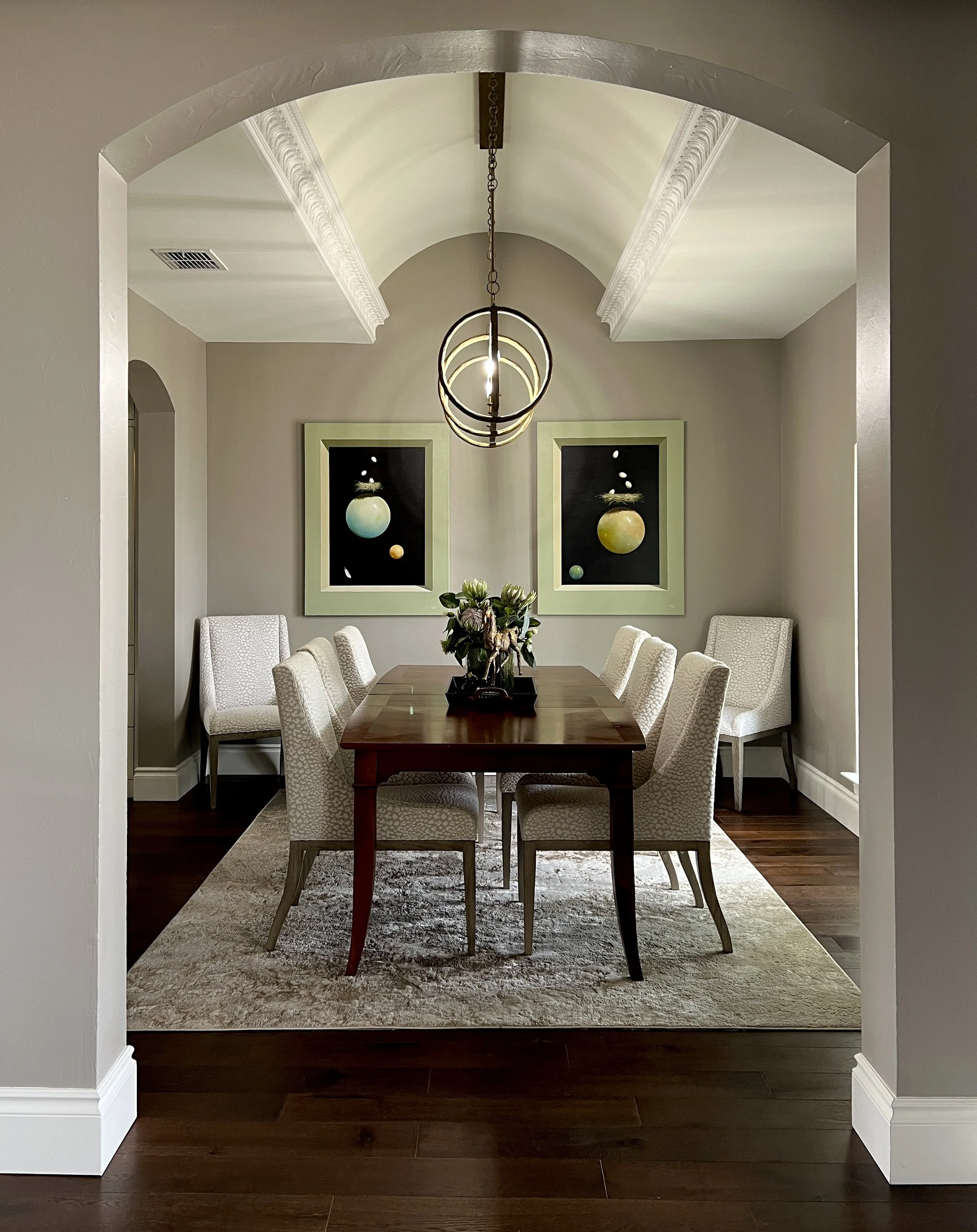
Two works by Faust in a private collection.
Others collect primarily for investment. Art becomes another asset class, another place to allocate capital. While this approach isn't particularly romantic, it serves an important function. When investors take risks on living artists, they can provide meaningful support to careers that might otherwise struggle to gain traction.
The collections that interest me least are what I privately think of as grocery list collections. These are assembled from lists of artists someone has been told they should own. The work is acquired because it signals status, sophistication, or belonging. Anyone with sufficient resources can purchase the approved names. The resulting collection may be expensive, but it often tells us very little about the person who owns it.
The collector disappears. What remains is a checklist.
Part of the problem is that the art world has spent decades convincing people that they need specialized knowledge before they are qualified to buy art. Galleries, curators, dealers, artists, and institutions have often wrapped art in layers of language that make ordinary people feel like outsiders, excluded from the conversation.
Let's be honest. Much of the writing surrounding contemporary art is impenetrable. Words are stacked upon words, obfuscating, communicating less than they reveal. The effect is not education. It is intimidation. The result is unfortunate because people begin to distrust their own instincts. They stop asking a simple question: Do I love it? Not understand it completely. Not know its auction history. Not know whether a museum owns one. Simply, do I love it?
The best collectors I've known trust that question.
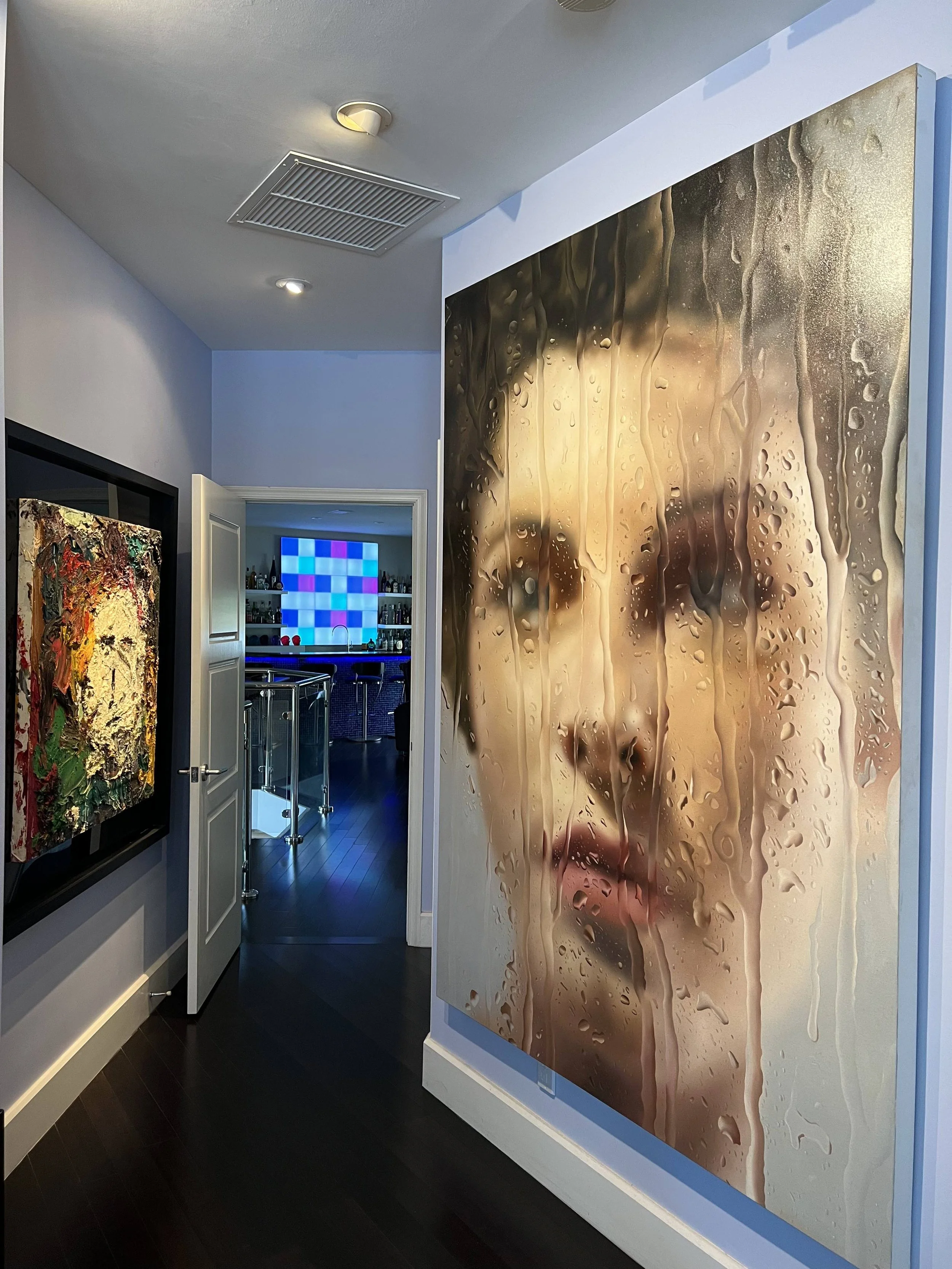
Private Collection.
I spend a great deal of time listening to clients. I want to understand not only what they like, but why they like it. What experiences shaped them. What memories they carry. What aesthetic language already exists in their lives.
When you know a collector well enough, remarkable things happen. I have, on multiple occasions, walked through art fairs and purchased works from other galleries on behalf of clients because I knew instantly that a particular piece would resonate with them. Not because it fit a market trend, but because it fit the person.
That's the difference. The artwork belongs in the collection because it belongs in their story.
Art doesn't need to be less intelligent, less challenging, or less complex to reach new audiences. It simply needs to become more welcoming. The veil must be lifted. If we want future generations to collect art, people must feel invited into the conversation rather than tested by it.
My advice is simple.
Buy what you love.
Trust your instincts.
Be curious.
And most importantly, buy your own weird.
Because a collection built around someone else's taste will always be less interesting than one built around your own.
Essay by Stacy Conde