
Barbara Hulanicki, Biba, and the Birth of the Lifestyle Brand
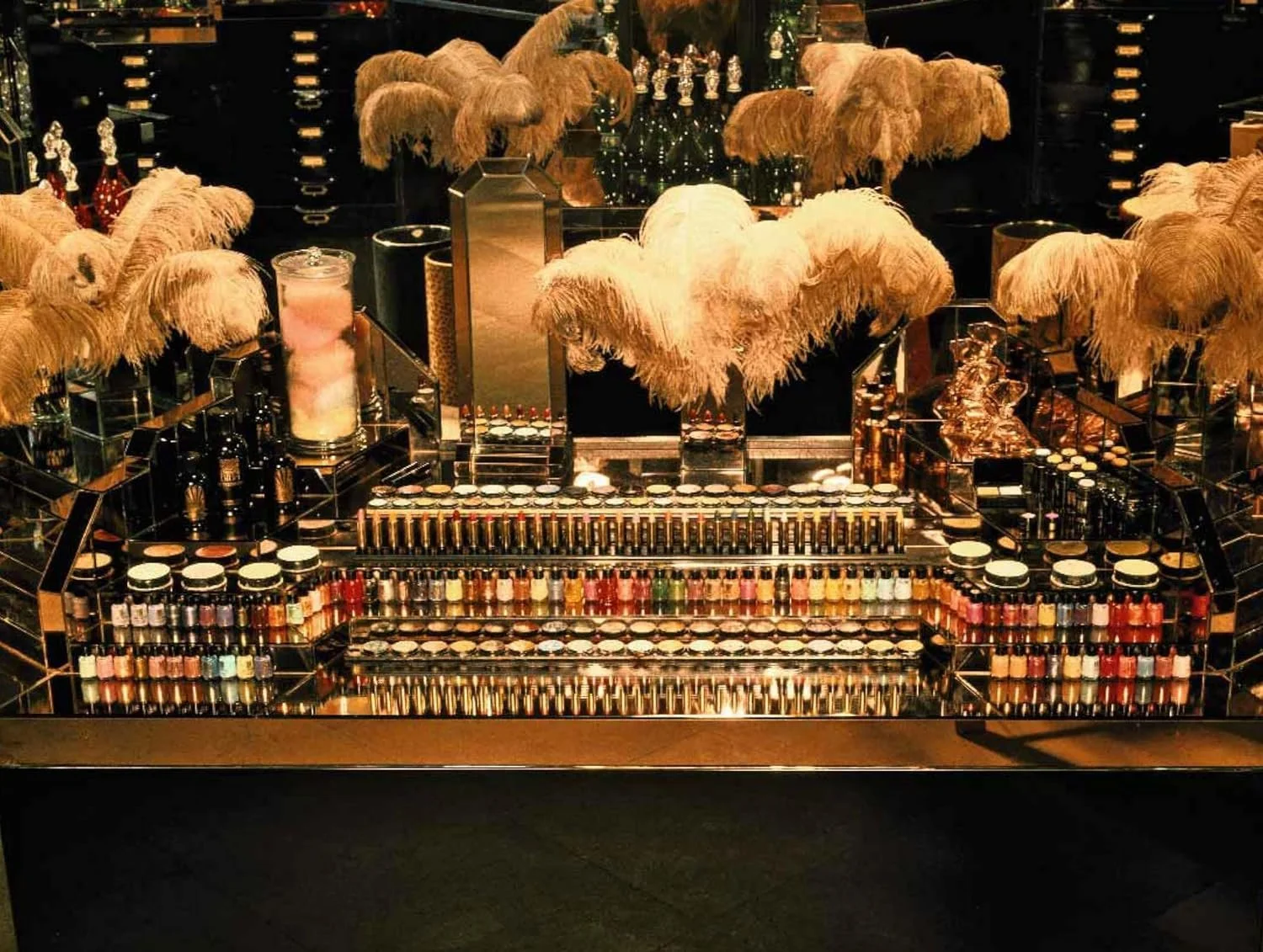
Big Biba cosmetic hall, London, 1970s.
More than a fashion boutique, Biba became a fully immersive visual world, extending its aesthetic into beauty, interiors, packaging, and lifestyle products.
Long before the concept of the “lifestyle brand” became standard in fashion and retail, Barbara Hulanicki OBE had already invented it.
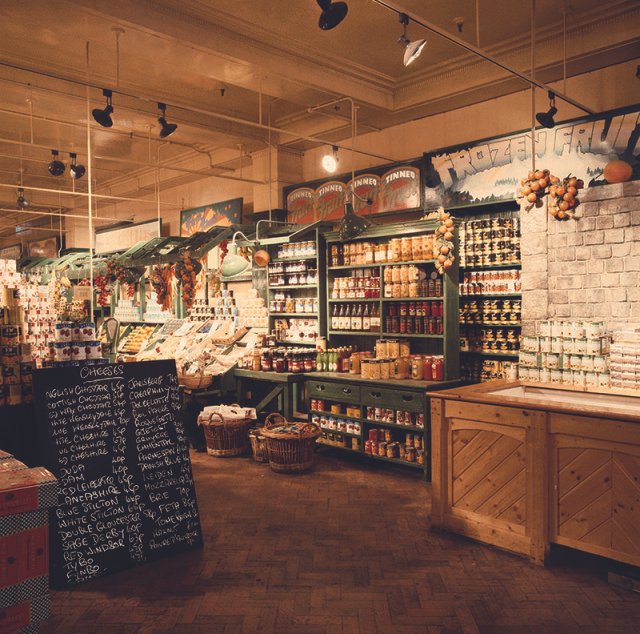
The market at Big Biba.
Hulanicki’s vision extended into food, home goods, and everyday objects decades before the modern concept of the “lifestyle brand” became standard in retail culture.
As the founder of Biba, the legendary London boutique that helped define the visual identity of the 1960s and 1970s, Hulanicki created far more than clothing. She built an immersive world. Fashion, interiors, music, illustration, retail design, nightlife, and atmosphere all merged into a singular aesthetic experience that would influence generations of designers, stylists, retailers, musicians, and artists.
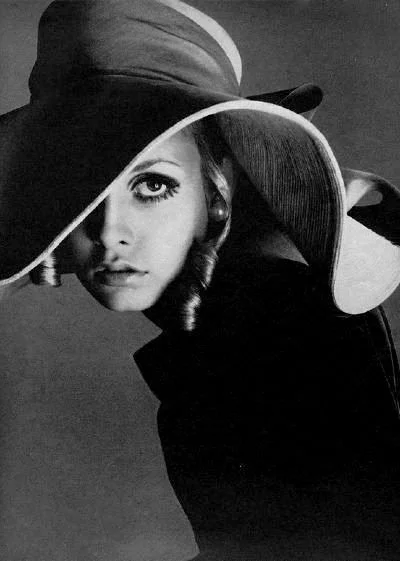
Twiggy for Biba.
Hulanicki frequently used Twiggy as a model during the Biba years. The two remain friends today.
Born in Warsaw and educated at Brighton Art College, Hulanicki first emerged as a fashion illustrator, producing work for publications including Vogue, Tatler, and Women’s Wear Daily. Her illustrations already carried the elegance, theatricality, and graphic sophistication that would later become synonymous with Biba itself.
When Biba opened in London in 1964, it quickly evolved from boutique to cultural phenomenon. With its Art Deco inspired interiors, romantic glamour, dramatic silhouettes, and accessible pricing, the store became a defining symbol of Swinging London. Artists, musicians, models, and fashion icons flocked to the Kensington location, including David Bowie, Marianne Faithfull, and Mick Jagger. A young Anna Wintour also worked at Biba during her teenage years, beginning her immersion in the fashion world under Hulanicki’s influence.
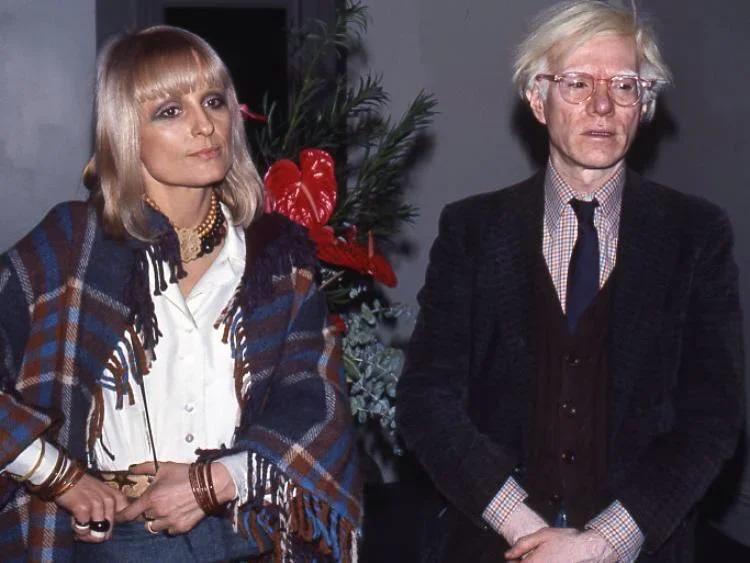
Barbara Hulanicki and Andy Warhol.
By the 1970s, Hulanicki and Biba had become part of an international creative culture that blurred the boundaries between fashion, art, music, nightlife, and celebrity.
Yet what made Biba truly revolutionary was not simply the clothing. Hulanicki understood instinctively that people were not only purchasing garments, but entering an entire visual and emotional world. Decades before the contemporary fusion of fashion, hospitality, branding, interiors, and identity culture, Biba had already become a fully realized aesthetic universe.
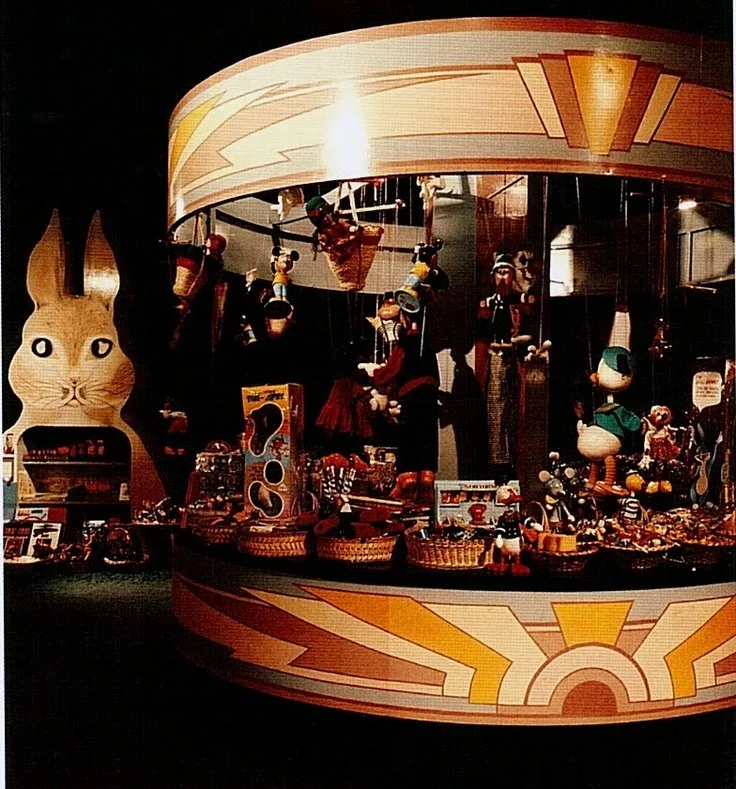
The children’s department at Big Biba.
At Big Biba, even childhood became part of the experience. Hulanicki’s visual language extended into every corner of the store, creating a fully immersive world of fashion, design, fantasy, and atmosphere.
That sensibility continues throughout Hulanicki’s later work across interiors, costume design, textiles, illustration, and fine art. After relocating to Miami, she brought her unmistakable visual language into hotels, restaurants, private residences, and commercial interiors, collaborating with figures including Ronnie Wood, Gloria and Emilio Estefan, and Island Records founder, Chris Blackwell.
Throughout all these evolutions, drawing remained central to Hulanicki’s creative practice. Her fashion illustrations possess the same qualities that made Biba iconic: elegance, theatricality, movement, glamour, and a uniquely recognizable visual rhythm. The works function not only as documents of fashion history, but as highly sophisticated works of design and illustration in their own right.
Today, Barbara Hulanicki’s influence can still be seen across fashion, interiors, retail design, editorial photography, and contemporary visual culture. The language she helped create continues to echo through modern branding and aesthetics, proving that truly distinctive visual worlds never entirely disappear.
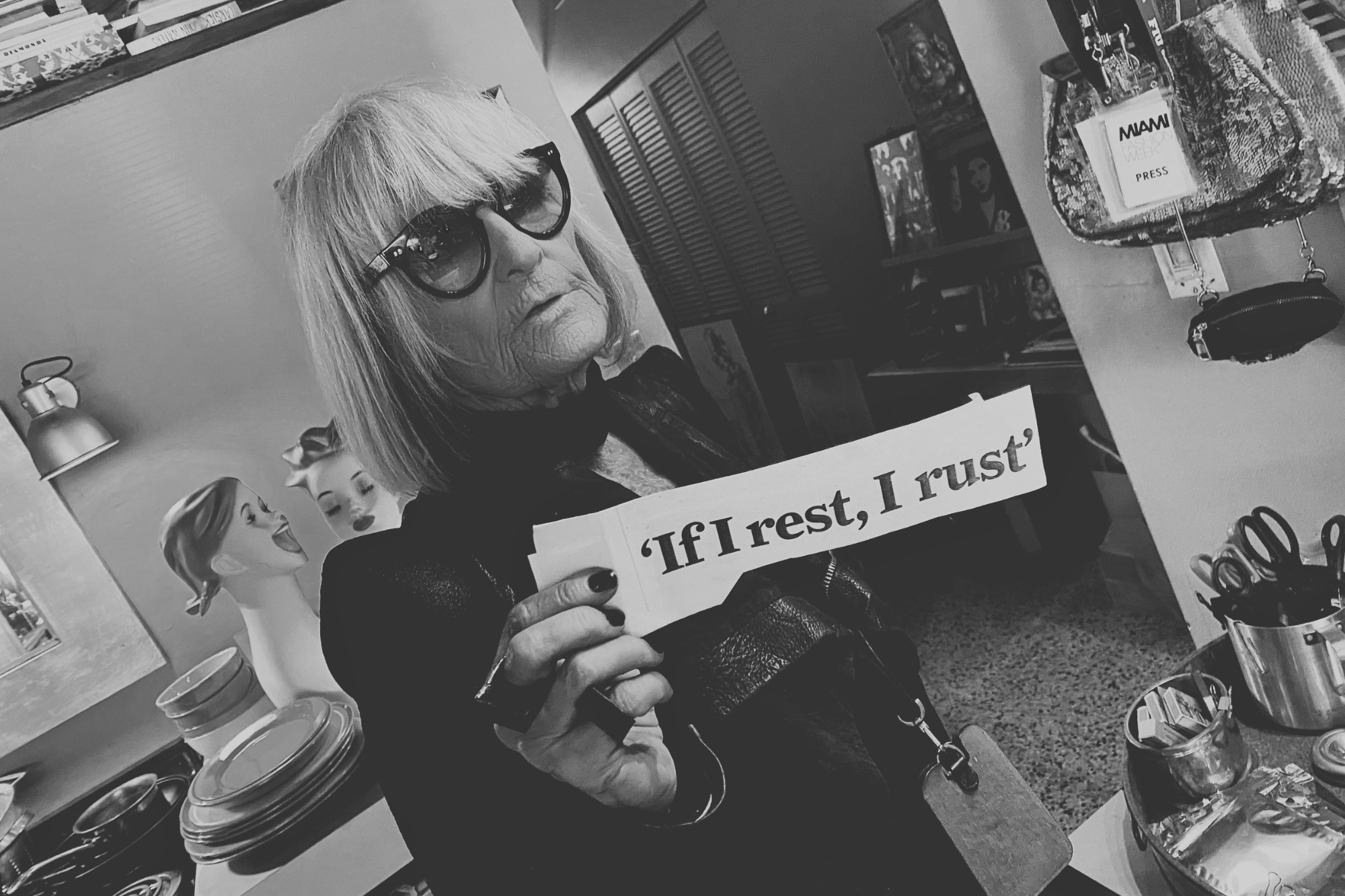
Barbara Hulanicki at her Miami Beach home and studio.
“If I rest, I rust.” A fitting motto for one of the great creative forces behind fashion, interiors, illustration, and modern lifestyle branding.
Photograph by Stacy Conde for Conde Contemporary.
Original fashion illustrations and works on paper by Barbara Hulanicki are available through Conde Contemporary in Natchez, Mississippi.