
Who Is Andrés Conde?
Cuban-American Painter, Creator of the SOCIAL Series
Andrés Conde is a Cuban-American painter known for his distinctive blend of realism, graphic design, vintage illustration, and contemporary narrative painting. Born in Havana, Cuba, in 1968, Conde emigrated with his family during childhood, living first in Madrid before settling in New York and eventually Miami, where he would develop his artistic career.
His early training included studies in commercial art at Miami Lakes Technical Center, later graduating from the University of Miami. These experiences helped shape a visual language that combines classical draftsmanship with the bold graphic sensibilities of advertising, magazine illustration, cinema, and popular culture.

Conde's work is immediately recognizable for its striking depictions of women. Rather than passive subjects, the women in his paintings confront the viewer directly, occupying a space between vulnerability and strength, beauty and defiance. Their gaze is often unwavering, creating a psychological tension that has become one of the artist's defining characteristics.

Artist Andrés Conde
The artist is perhaps best known for his ongoing SOCIAL series. Inspired by Cuba's historic SOCIAL magazine, a celebrated publication that documented Cuban society prior to the Revolution, Conde imagines an alternate continuation of the magazine from 1939 through 1959. Through fictional covers and invented narratives, the series explores nostalgia, memory, identity, glamour, exile, and the cultural mythology of Cuba. Conceived as a long-term project, the series serves as both personal reflection and cultural commentary.
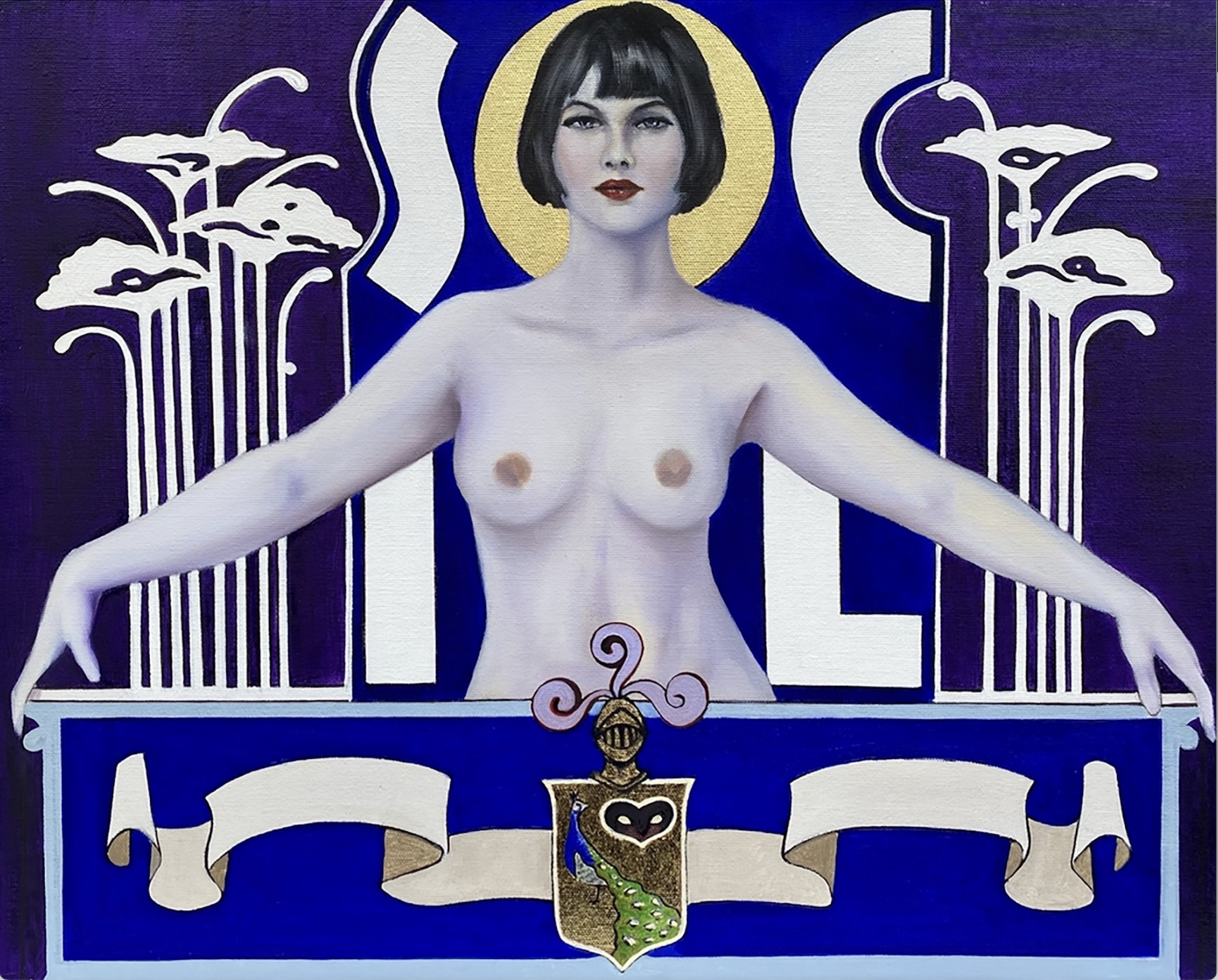
Conde's paintings draw influence from Art Deco, Art Nouveau, mid-century illustration, Cuban visual culture, and the experience of living between nations and identities. His work often balances humor, beauty, and social observation while remaining deeply rooted in storytelling.

Today Andrés Conde lives and works in Natchez, Mississippi. His paintings are held in private collections throughout the United States and internationally, and his work continues to explore themes of memory, migration, identity, and the enduring power of visual narrative.